Translating Opponent Profiling Methods from Cash Games into Customizing Insurance Coverage Selections for Freelance Workers
Felix Klein · Aug 11, 2026
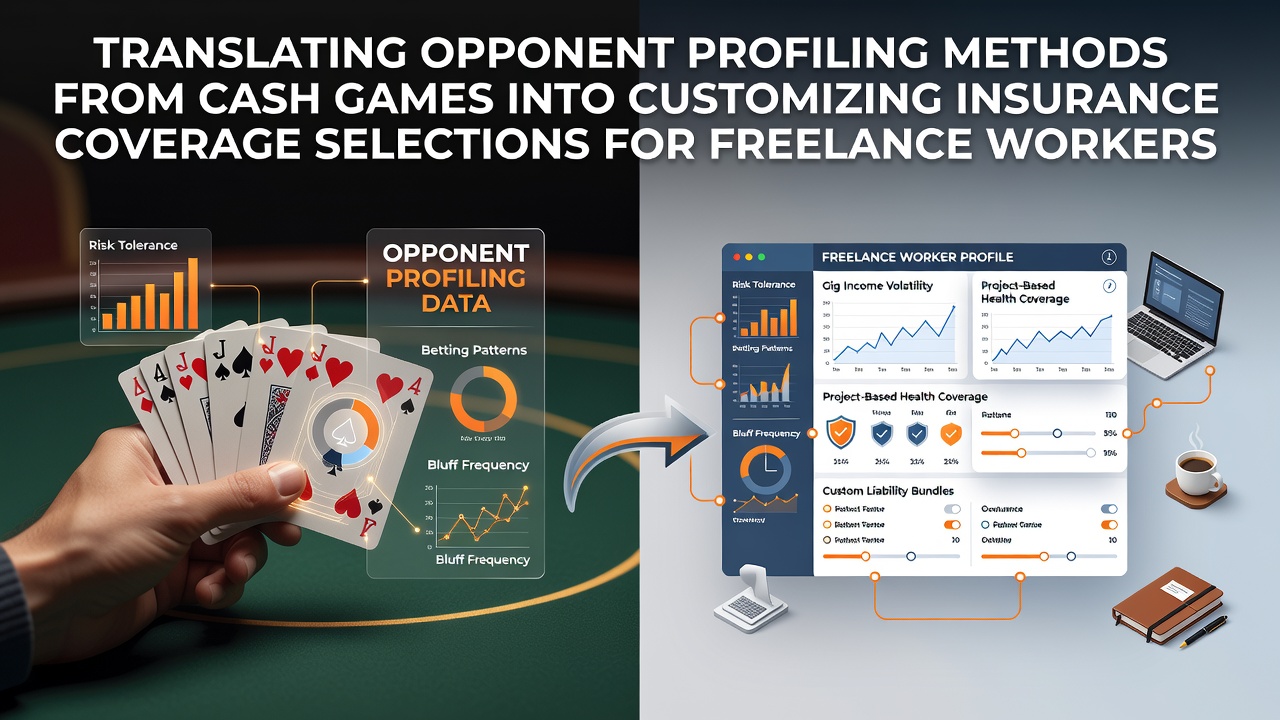
Translating Opponent Profiling Methods from Cash Games into Customizing Insurance Coverage Selections for Freelance Workers
Analysts in behavioral finance have examined how cash game player categorization techniques transfer to risk assessment frameworks used by independent contractors when they select insurance products, and data from labor market reports indicate that freelancers represent over 35 percent of the U.S. workforce as of August 2026 according to the Bureau of Labor Statistics.
Core Elements of Cash Game Profiling
Researchers studying live cash games document that participants divide opponents into categories such as tight-passive, loose-aggressive, and loose-passive based on observable betting frequencies, and these classifications allow players to adjust calling ranges and bluff frequencies with measurable precision during extended sessions.
Studies published in gaming psychology journals show that consistent note-taking on individual tendencies produces edges that compound over thousands of hands, while software tracking tools confirm that professionals update profiles in real time when new information emerges from showdowns or bet sizing patterns.
Mapping Profiling Techniques to Freelance Income Patterns
Financial advisors who study gig economy data apply similar categorization methods to client income streams by tracking payment cycle regularity, client concentration ratios, and seasonal demand fluctuations, and these profiles guide decisions about policy deductibles and coverage limits rather than poker bet sizes.
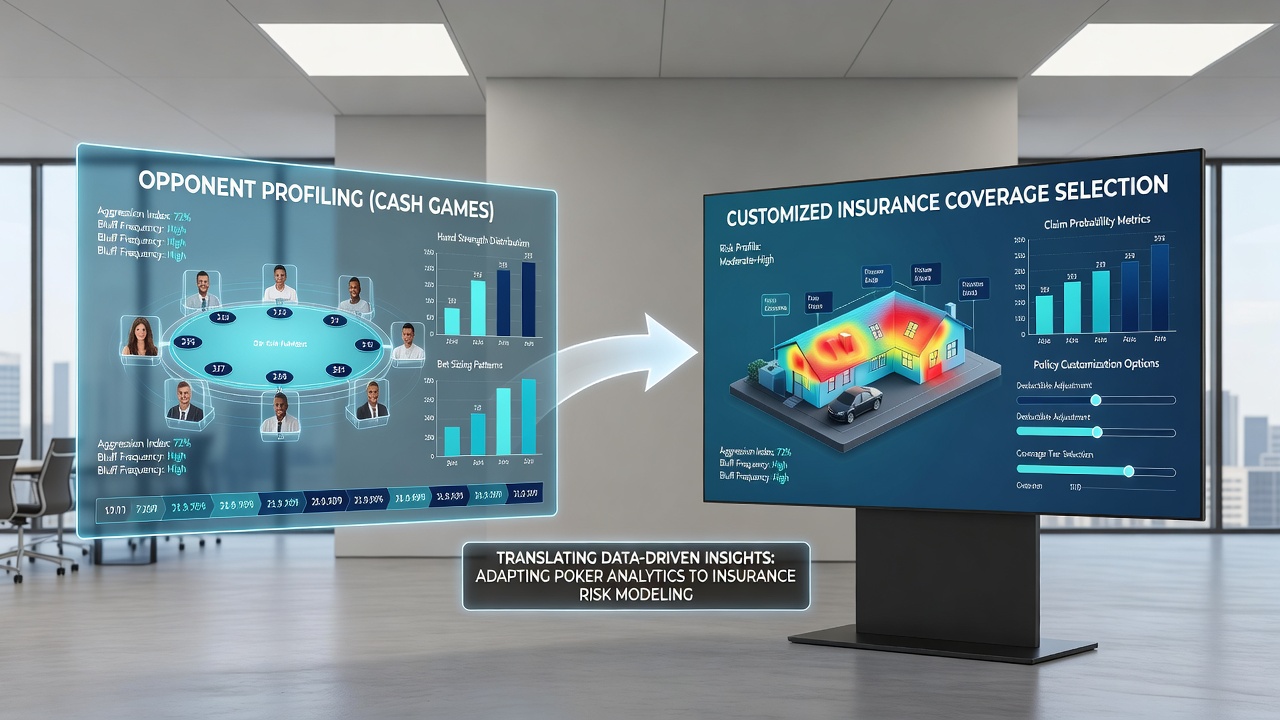
One documented approach involves logging invoice payment delays and project length variability over twelve-month periods, after which analysts assign freelancers to risk brackets that mirror poker player types, allowing insurance brokers to recommend products that address specific exposure levels instead of generic packages.
Data-Driven Customization of Coverage Selections
Reports from the Australian Bureau of Statistics reveal that self-employed individuals who adjust policies annually based on updated income volatility metrics experience fewer coverage gaps during economic shifts, and similar patterns appear in Canadian revenue agency filings where contractors using dynamic risk assessments report higher satisfaction with tailored disability and liability products.
Industry organizations such as the Freelancers Union compile statistics showing that professionals who categorize their work risks in the same structured manner used for opponent notes select higher liability limits when client concentration exceeds 40 percent, while those with diversified revenue streams often reduce premium costs by increasing deductibles in low-volatility categories.
Practical Translation Steps Observed in Practice
Advisors guide clients through an initial profiling phase that records average project duration, payment terms, and industry exposure, then translate those metrics into insurance parameters such as waiting periods for income protection and aggregate limits for professional indemnity, and updates occur quarterly to reflect new contracts or market changes.
European research institutes have published case compilations where independent consultants who maintained detailed risk logs similar to poker hand histories adjusted their coverage selections during the 2025-2026 period when platform fee structures altered take-home percentages, resulting in measurable alignment between premiums paid and actual claim probabilities.
Conclusion
Evidence from multiple labor and financial tracking sources demonstrates that structured categorization methods developed in cash game environments provide transferable frameworks for organizing freelance risk data, and organizations continue to refine these cross-domain applications as workforce participation statistics evolve through late 2026.