Tilt Control Methods Translated Into Impulse Purchase Prevention Tactics for Retail Investors
David Fischer · Jul 26, 2026
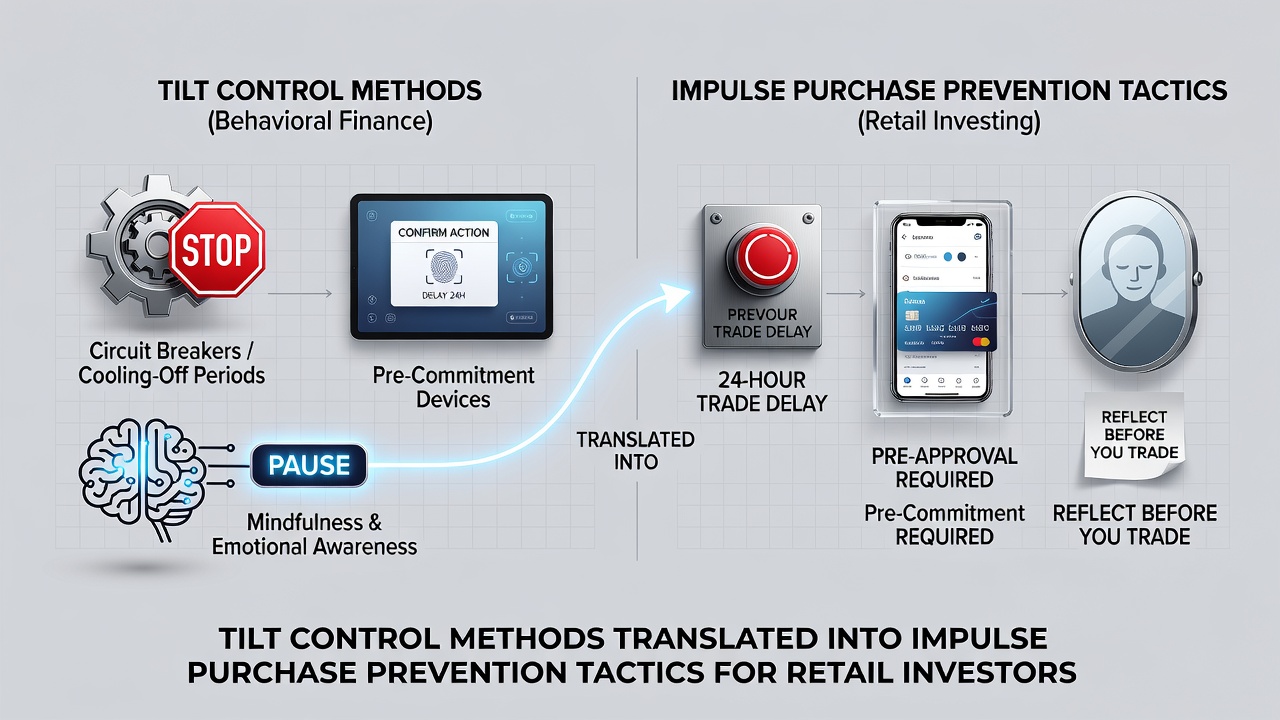
Tilt Control Methods Translated Into Impulse Purchase Prevention Tactics for Retail Investors
Retail investors often encounter emotional triggers that mirror the tilt experienced by poker players, where frustration or excitement leads to decisions that deviate from established plans, and researchers have documented these parallels in studies examining decision-making under pressure across both domains. Data from multiple market analyses show that impulse purchases of securities frequently occur after sudden price movements, much like reactive bets placed during losing streaks, yet structured approaches drawn from poker tilt management provide measurable frameworks for interrupting those patterns before they escalate into larger portfolio disruptions.
Recognizing Emotional Triggers in Trading Environments
Observers note that tilt in poker typically surfaces after a series of unfavorable outcomes or unexpected wins, prompting players to abandon strategic ranges in favor of immediate reactions, and similar dynamics appear in equity markets where retail participants respond to headline news or social media momentum without reviewing underlying fundamentals. Studies conducted by academic institutions have tracked how cortisol levels rise during volatile sessions, leading individuals to execute trades outside their predefined risk parameters, while those who apply pre-session checklists derived from poker routines report fewer deviations according to self-reported trading logs collected over multi-month periods.
Implementing Structured Pauses and Limit Systems
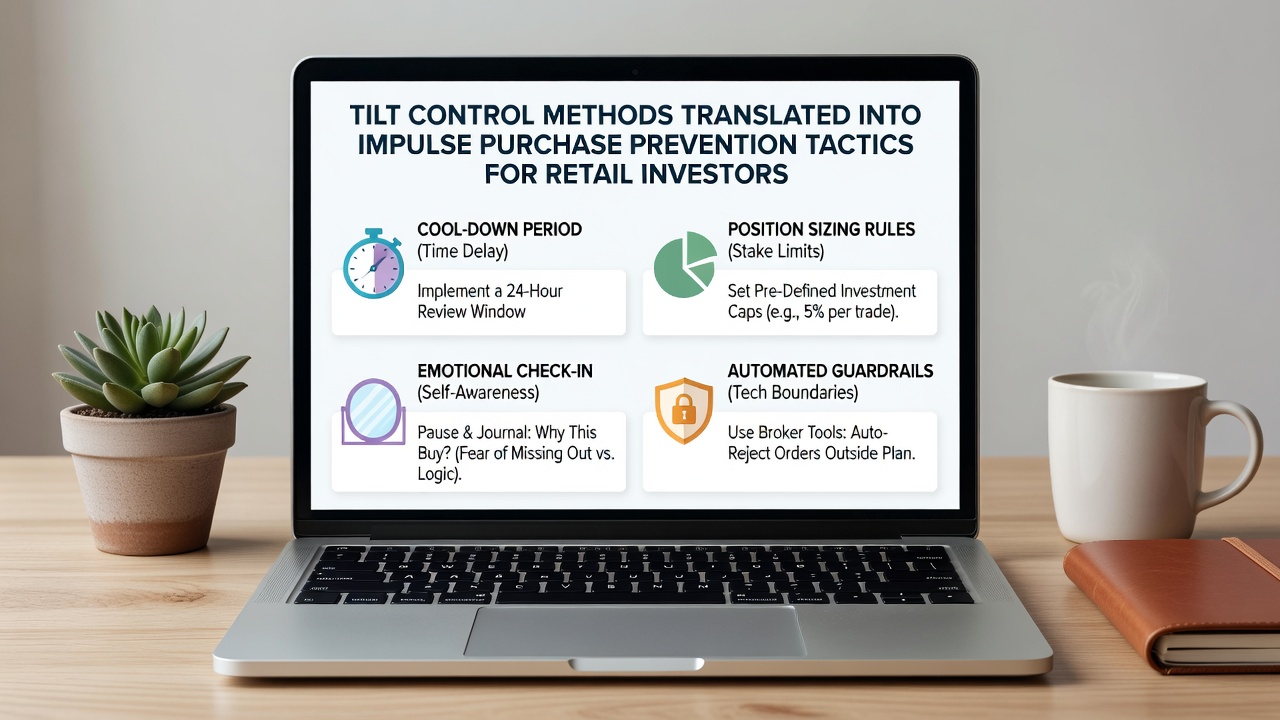
One established poker method involves mandatory breaks after significant swings, which translates directly to investor protocols that require a minimum waiting period before executing any trade following a portfolio move exceeding a set percentage threshold. Financial regulators including the U.S. Securities and Exchange Commission have highlighted the value of cooling-off mechanisms in their investor education materials, noting that such pauses reduce the frequency of reactive orders placed during after-hours volatility. Retail participants who adopt automated alerts set at predetermined loss or gain levels find they execute fewer unplanned purchases, with transaction data from brokerage platforms indicating measurable drops in same-day reversals when these alerts remain active.
Journaling and Range Construction for Decision Documentation
Poker professionals routinely log hand histories to identify recurring tilt patterns, and investors who maintain comparable records of purchase rationales alongside market conditions at the time of execution demonstrate improved adherence to long-term allocation targets over subsequent quarters. Research from university finance departments reveals that documented decision trees help surface biases such as recency effects, allowing adjustments before they compound across multiple asset classes. Those who review these journals weekly rather than daily maintain consistency without over-correcting for single-day fluctuations, producing steadier contribution schedules to retirement accounts even amid the market activity reported throughout July 2026.
Bankroll Management Translated to Position Sizing
Strict bankroll rules in poker limit exposure on any single hand to a small fraction of total chips, and parallel capital allocation guidelines prevent retail investors from concentrating new purchases in high-volatility names after positive results in unrelated holdings. Figures released by the Financial Industry Regulatory Authority illustrate how position-size caps correlate with lower account drawdowns across retail brokerage datasets, particularly when investors enforce these caps through pre-trade confirmation screens. This approach integrates naturally with milestone-based savings targets, ensuring that emotional momentum does not override contribution schedules established at the start of each fiscal period.
Community Accountability and External Review Mechanisms
Poker study groups provide external perspectives that challenge individual tilt narratives, and investor forums moderated by registered advisors offer similar review layers where participants present planned purchases for feedback before execution. Data collected by Canadian regulatory bodies shows reduced complaint volumes among retail clients who participate in structured review sessions compared with those trading in isolation. Such systems prove especially relevant during earnings seasons when information overload increases the likelihood of impulsive reallocations across diversified portfolios.
Conclusion
Translation of these poker-derived methods into investment routines produces documented improvements in adherence to predefined strategies, as evidenced by brokerage analytics and regulatory reports spanning multiple jurisdictions. Retail investors who combine mandatory pauses, detailed journaling, position limits, and periodic external reviews establish repeatable processes that interrupt emotional sequences before they translate into unplanned purchases. Ongoing market participation through 2026 continues to test these frameworks under varied conditions, confirming their utility across different asset classes and time horizons.